


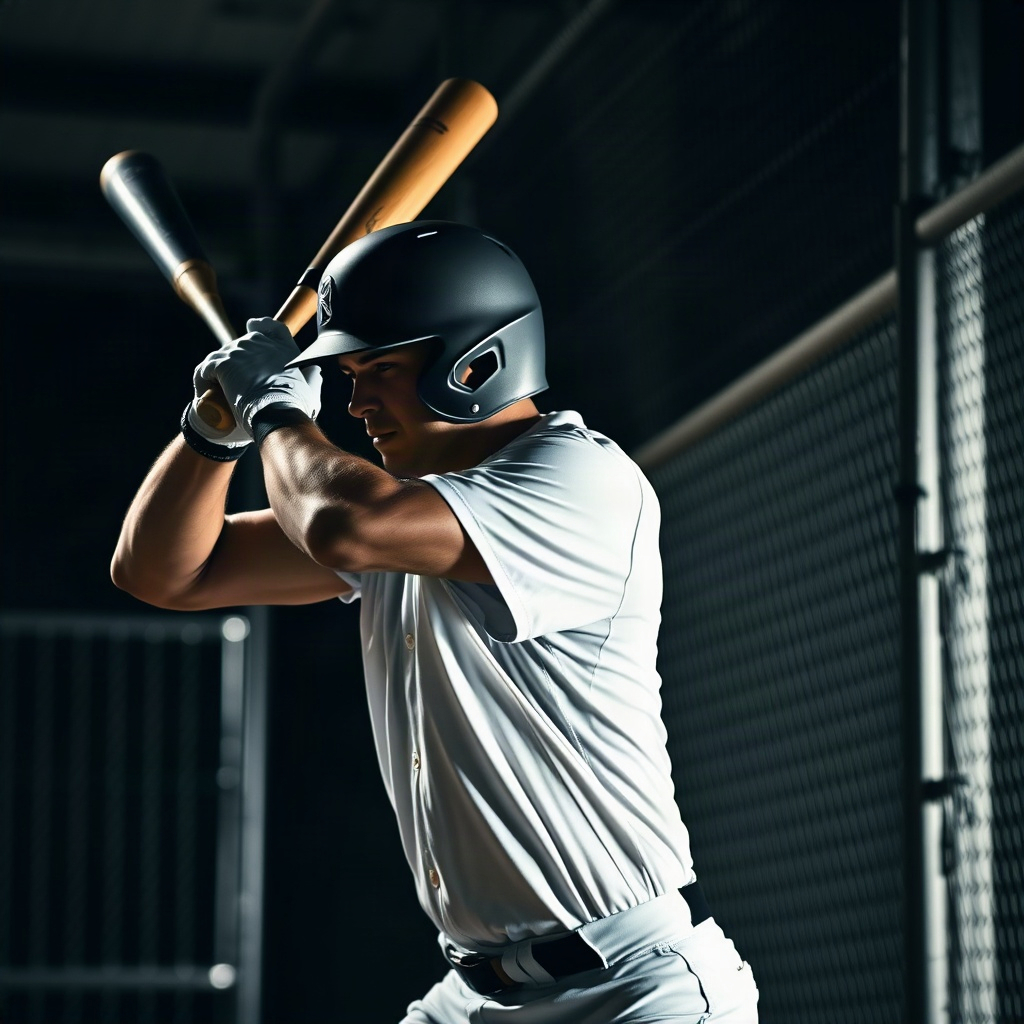
In baseball and softball, hitting is an art form that marries science, skill, and an almost mystical sense of timing. It's one of the few sports where failure is more common than success.
Even the best hitters only manage a hit in about 3 out of 10 at-bats. Given this high level of difficulty, the use of training aids has become not just an option but a necessity for those looking to excel. This blog post will delve into why training aids are indispensable for hitters, focusing particularly on how the Homerun Handle can be integrated into a player's training routine to enhance hitting performance.
WHY TRAINING AIDS ARE CRUCIAL
1. MUSCLE MEMORY AND TECHNIQUE REFINEMENT
Hitting in baseball involves an intricate series of movements that must occur in a split second. Muscle memory is key to performing these actions consistently. Training aids are designed to help players practice the correct swing mechanics repeatedly, which over time, ingrains these movements into the subconscious.
Swing Path: Tools like bat sleeves or swing trainers help ensure the bat travels through the strike zone in the most effective path. They can correct common mistakes like a looping or casting motion, promoting a more direct line to the ball.
Hand Positioning: Devices that focus on where and how you grip the bat can be pivotal. Proper hand placement reduces the likelihood of "rolling over" on the ball, which often leads to weak grounders or flyouts.
Weight Transfer: Aids like balance beams or weighted bats train hitters to shift their weight from back to front at the optimal moment, increasing power and contact quality.
SCIENTIFIC INSIGHT“THE HUMAN BRAIN REQUIRES APPROXIMATELY 3,000-5,000 REPETITIONS TO BUILD A PERMANENT MOTOR PATTERN.”
— SPORTS BIOMECHANICS JOURNAL
2. FEEDBACK AND CORRECTION
One of the most significant advantages of training aids is the feedback they provide:
Instant Sensory Feedback: Some aids give tactile feedback when the swing isn't correct, helping hitters self-correct in real-time. For instance, devices that vibrate or make a noise when the swing deviates from the ideal path.
Visual Feedback: High-speed cameras or sensor-based systems give visual insights into the swing's mechanics, allowing hitters to see exactly what they're doing wrong or right.
Coach's Aid: These tools also serve as excellent aids for coaches or trainers. By showing players exactly what their swing looks like, coaches can provide more targeted instruction.
3. MENTAL FOCUS AND PRACTICE EFFICIENCY
Training aids force players to pay attention to specifics that might be glossed over in regular practice. This concentrated effort on smaller aspects like grip, stance, or bat angle can lead to significant overall improvement.
They make practice sessions more productive by focusing on one or two aspects at a time, rather than trying to improve everything simultaneously, which can be overwhelming.
4. INJURY PREVENTION AND CONDITIONING
Strength and flexibility are key. Many training aids are designed not only for technique but also for conditioning. For example, weighted bats increase strength, while flexibility aids help prevent injuries by preparing the body for the stresses of swinging.
By allowing hitters to work on their swing without always taking full swings, these aids can lessen the wear and tear on joints and muscles.
PRODUCT INTEGRATION
MASTER THE
MECHANICS WITH
THE HANDLE
MASTER THE
MECHANICS
WITH THE
HANDLE
The Homerun Handle is a specialized training aid that focuses on grip, hand speed, and swing efficiency.
SHOP THE SWING TRAINER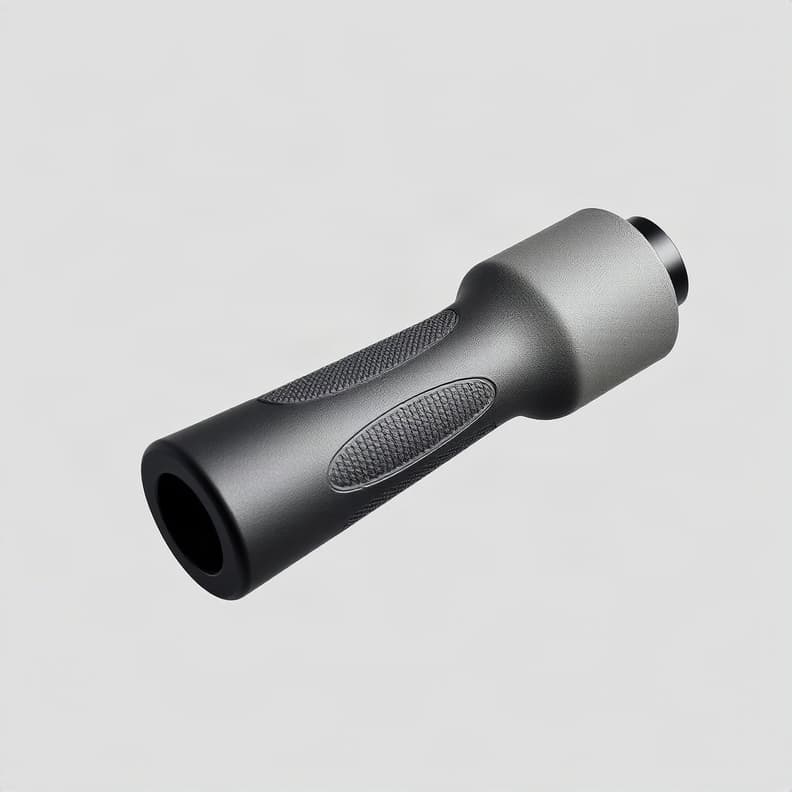
INCORPORATING THE HOMERUN HANDLE
The Homerun Handle is a specialized training aid that focuses on grip, hand speed, and swing efficiency. Here's how it can revolutionize a hitter's training routine:
GRIP AND HAND POSITIONING
The Homerun Handle teaches hitters to maintain a firm but balanced grip, which is crucial for controlling the bat through the swing. It emphasizes how the hands should be positioned to maximize bat control and power transfer through contact.
By focusing on the hands' role in the swing, this tool can lead to faster hand acceleration, which is critical for reacting to high-speed pitches or adjusting to off-speed pitches.
BAT SPEED AND POWER
The design of the Homerun Handle allows for the isolation of the muscles used in swinging, particularly those in the forearms and wrists, leading to quicker, more powerful swings. It encourages a more direct path to the ball, reducing unnecessary movements that can slow down swing speed or cause mis-hits.
INTEGRATION INTO TRAINING ROUTINE
Warm-Up: Begin sessions with the Homerun Handle to get the hands and wrists ready, focusing on quick, controlled movements that mimic the swing's motion.
Drills for Specific Issues: If a player struggles with hand positioning or bat drag, specific drills using the Homerun Handle can be tailored to address these issues directly.
Cool Down: Use it at the end of practice to reinforce the day's lessons or simply to maintain and improve grip strength and hand speed over time.
CONCLUSION
Incorporating training aids like the Homerun Handle into a baseball hitting routine isn't just about physical improvement; it's about mental conditioning and strategic practice. These tools provide a methodical approach to a game where milliseconds and inches matter.
The journey to becoming a proficient hitter is long and fraught with challenges, but with the right tools, dedication, and understanding of one's mechanics, players can transform their hitting from a hit-or-miss endeavor to a more predictable, powerful art. Whether you're swinging in the Little League or aiming for the majors, the integration of such aids into your training is a step towards mastering the complex dance of baseball hitting.